

Rob & Cathy Miele
Your Favorite Phoenix Area REALTORS®
Active Listings
15708 W Shangri La Rd.
Surprise, AZ 85379
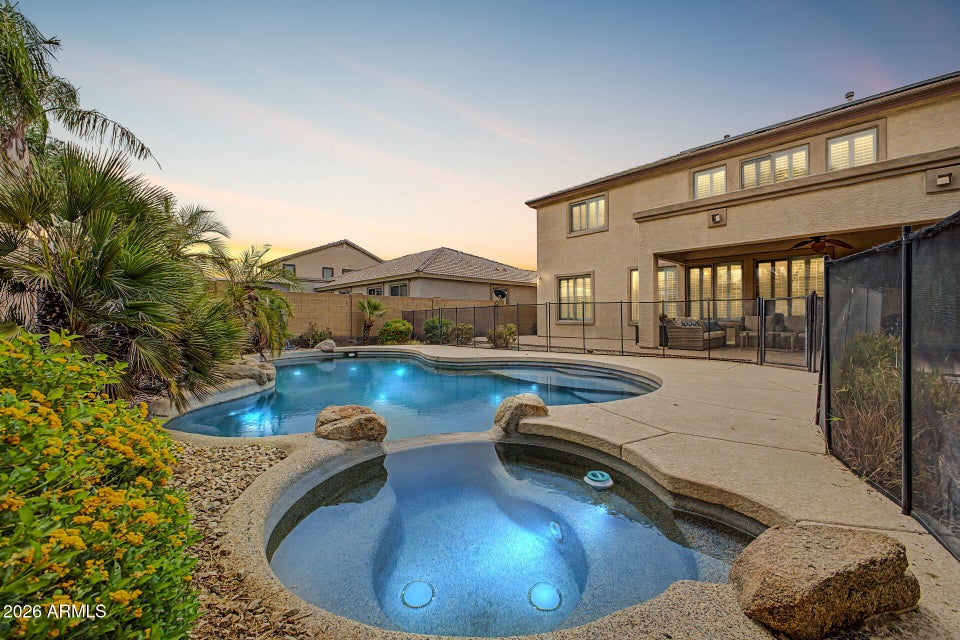
Click to See Listing
Looking to Buy?
Your Next Home is Just a Search Away!
Proven Results
With over 50 years of combined experience Rob and Cathy Miele are the real estate ecxperts for you!

Meet Rob
The Best REALTOR® in the Valley!
Rob Miele stands out as an exceptional Realtor in the Phoenix and Scottsdale markets, bringing over 24 years of local expertise and a reputation for high-level professionalism. He possesses an intuitive understanding of the Valley’s evolving neighborhoods, school districts, and market trends, which allows him to provide invaluable guidance to both buyers and sellers. His clients consistently praise his responsiveness and tenacity, often noting his ability to navigate complex transactions with class and efficiency. Whether he is utilizing the latest industry technology to secure top dollar for a listing or patiently answering the endless questions of a first-time homebuyer, Rob’s commitment to excellence and professionalism ensures that his clients feel supported and confident throughout the entire process.
Meet Cathy
Cathy Miele is a highly credible, second-generation Phoenix native with over 23 years of experience in the Scottsdale and Kierland markets. As lead agent for the NEXT Real Estate Team, she holds prestigious GRI and ABR designations, reflecting a commitment to advanced education and ethical standards. Known for her aggressive negotiation skills and deep local knowledge, Cathy has built a reputation for delivering high-value results and a seamless, customer-driven experience. With unparalleled industry knowledge, experience, and local expertise, I'm the Phoenix area Real Estate expert you've been looking for.

What My Clients Say

Past Sales
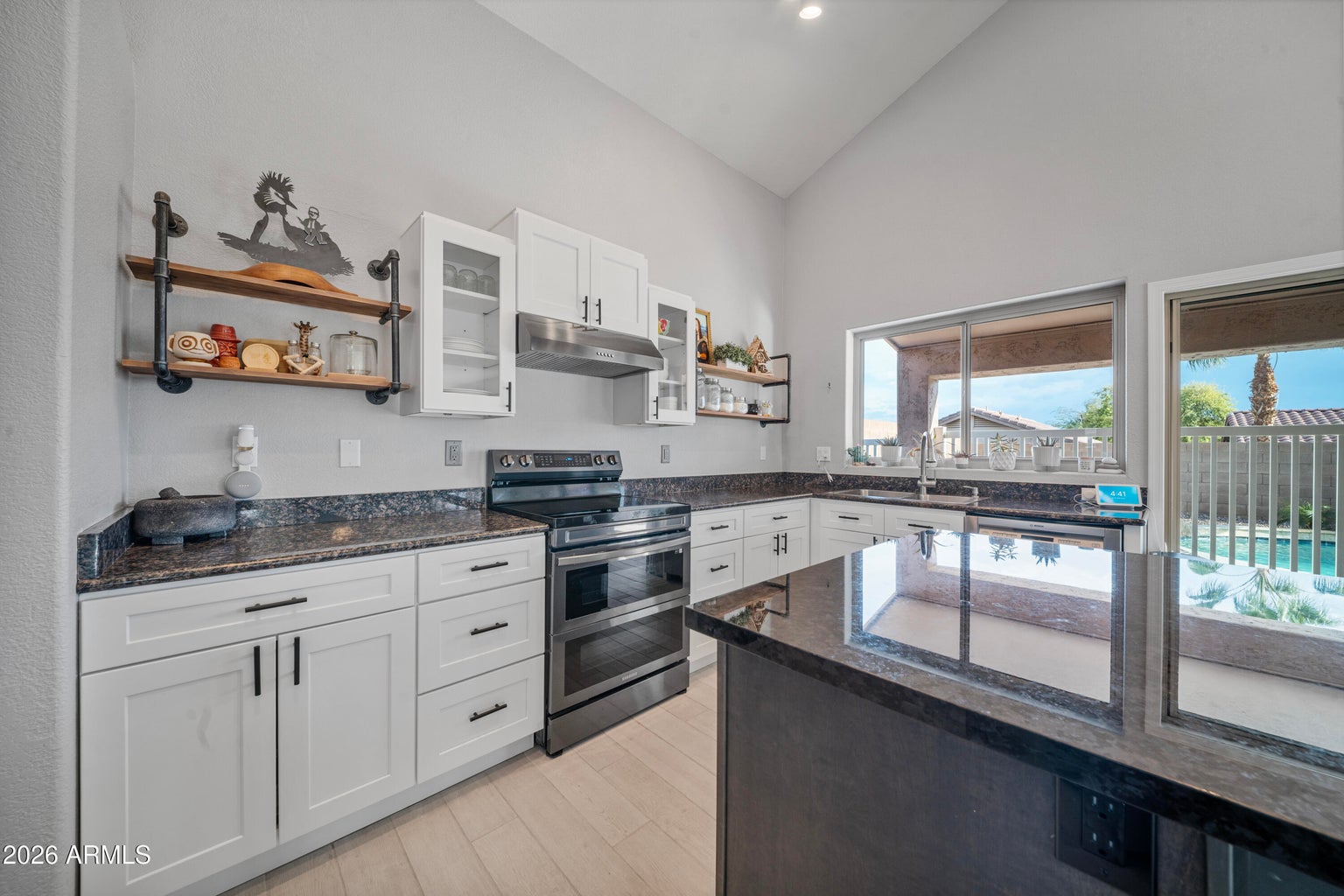
1725 W Muirwood Dr
Phoenix, AZ 85045
4 Beds | 3 Baths | 2,818 Sqft
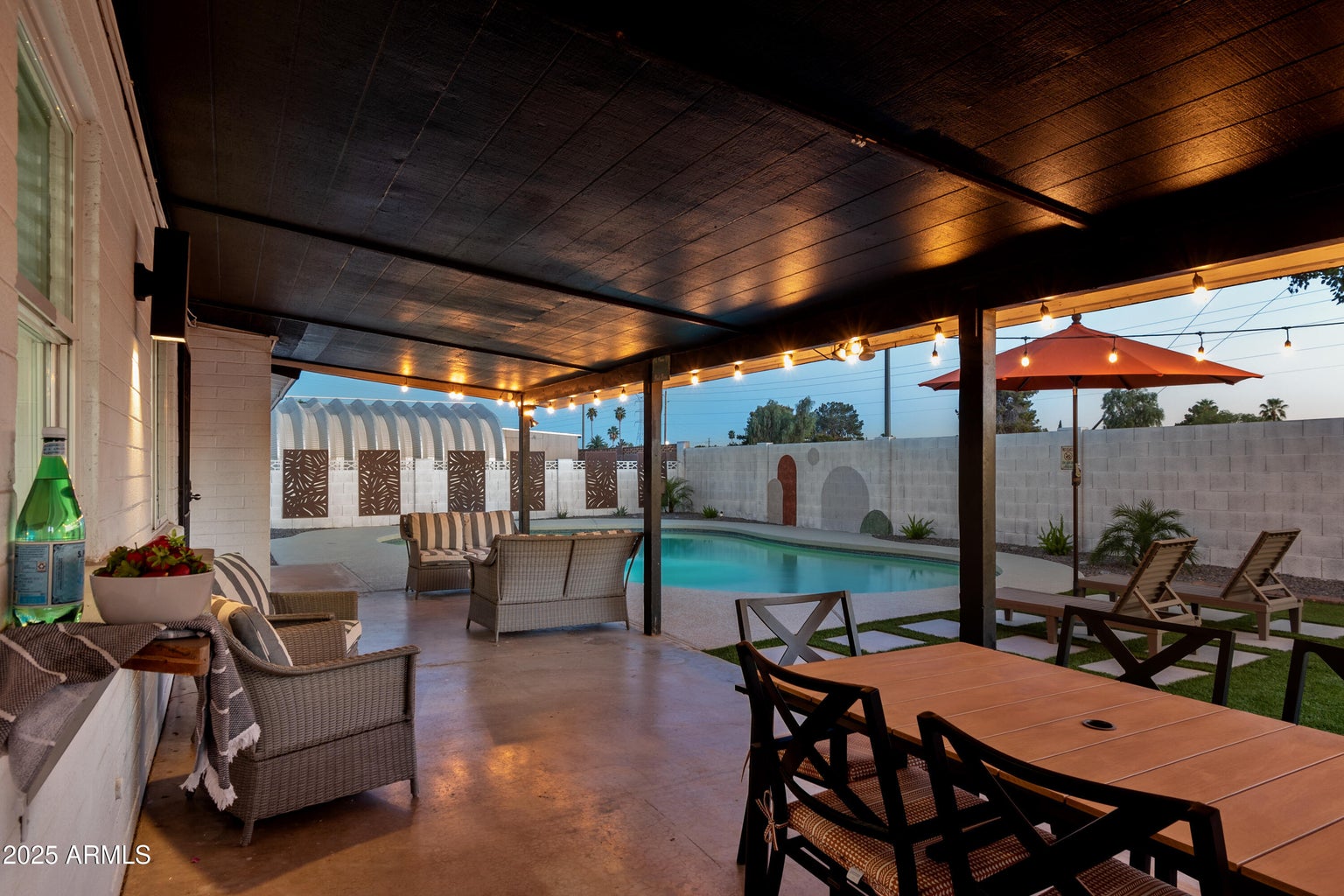
1307 E Encanto St
Mesa, AZ 85203
4 Beds | 2 Baths | 1,835 Sqft
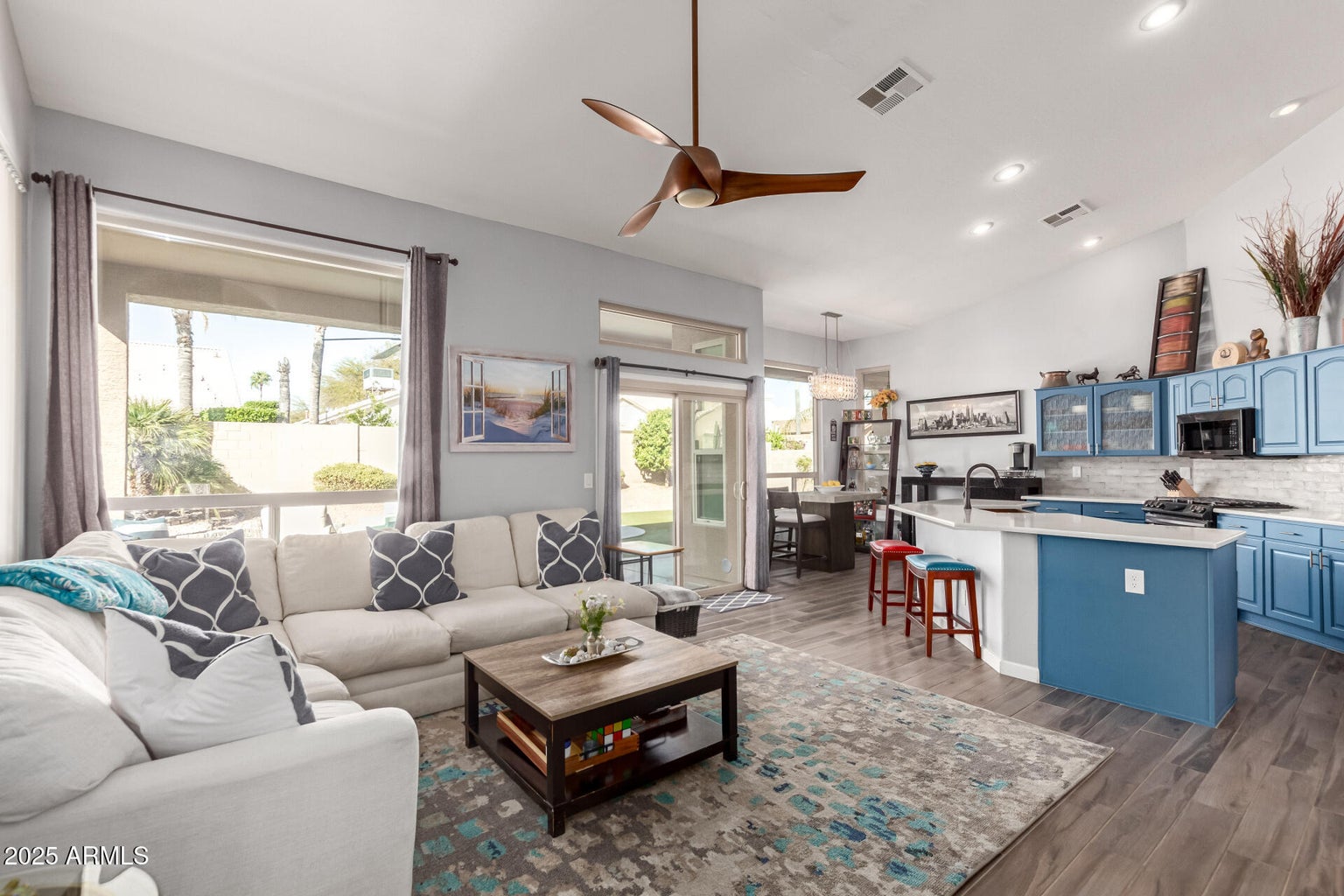
8720 E No More Rd
Carefree, AZ 85377
4 Beds | 4 Baths | 3,475 Sqft
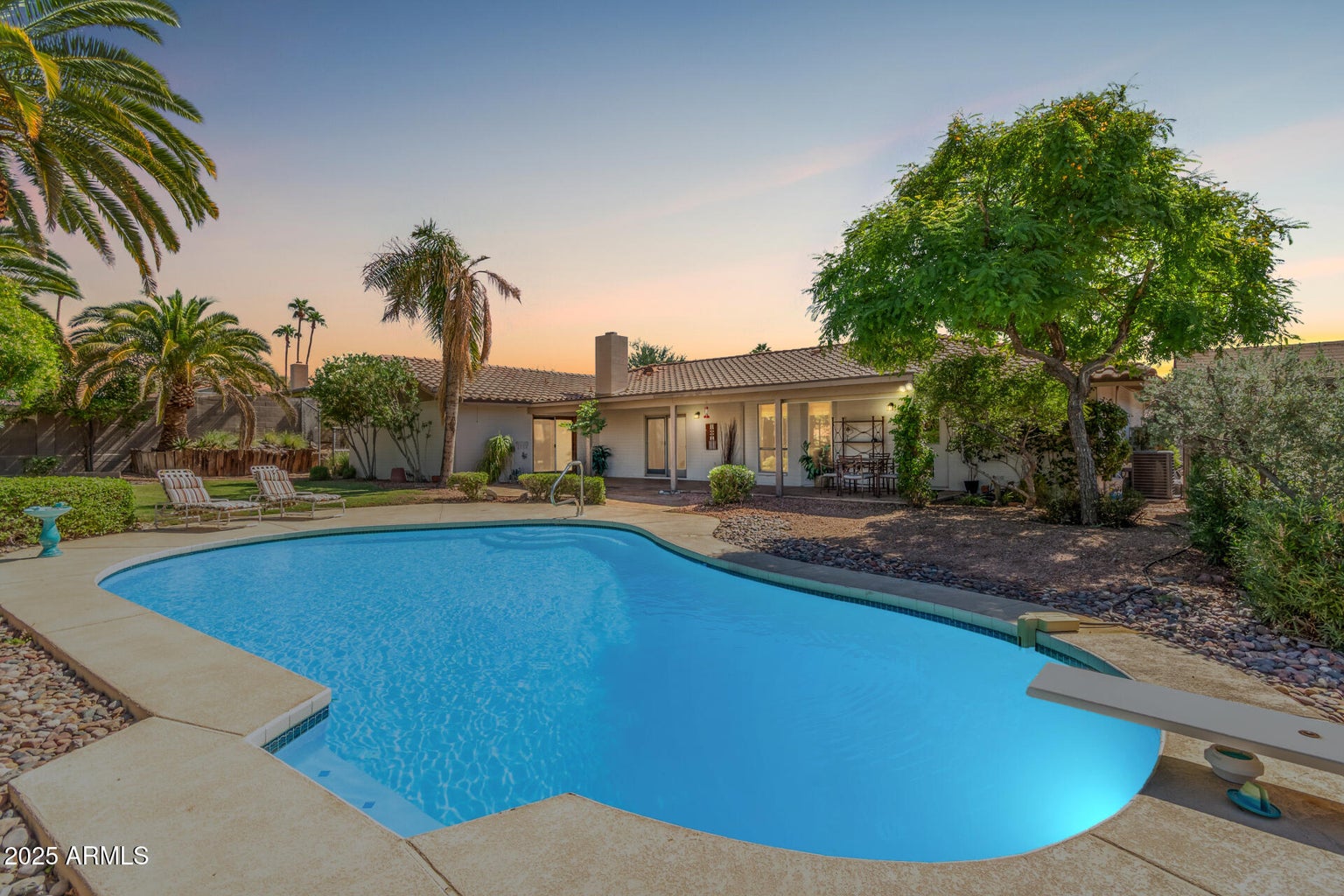
138 E Monte Cristo Ave
Phoenix, AZ 85022
4 Beds | 2.5 Baths | 2,544 Sqft
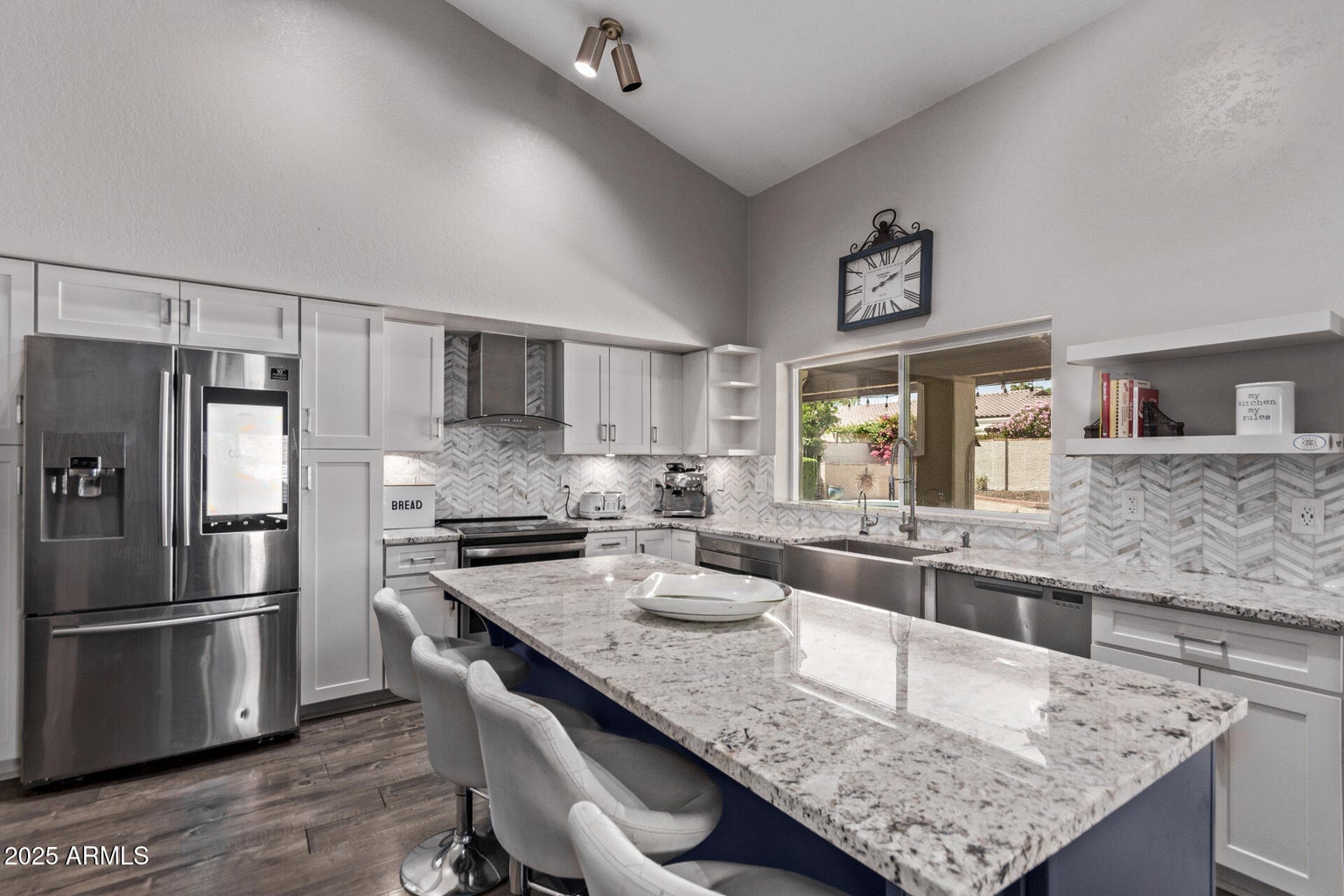
9736 E Ironwood Dr.
Scottsdale, AZ 85285
4 Beds | 2.5 Baths | 2,389 Sqft
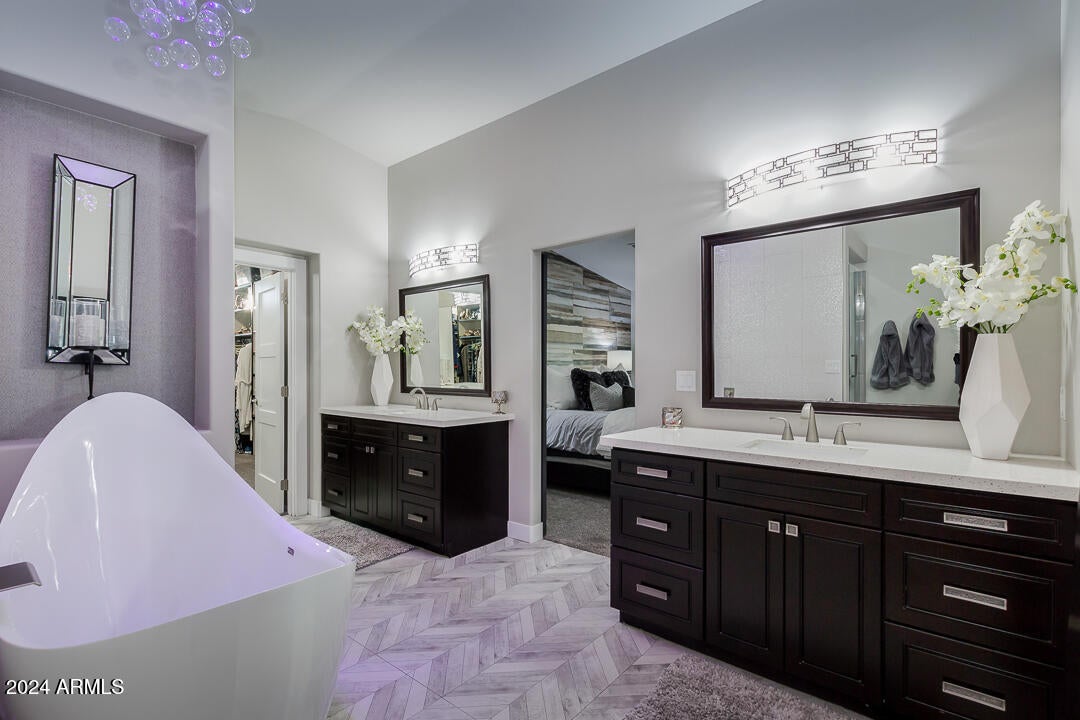
5020 E Pershing Ave
Scottsdale, AZ 85254
6 Beds | 4.5 Baths | 4,400 Sqft
Private Exclusive Listings
Join our Private Exclusives Club to gain access to listings before they go public.
Work With Rob and Cathy
When you want a professional who can give life changing results, Rob is the premier choice for all your real estate needs. Call him today for your free consultation.
When are Home Prices Going to Come Down?
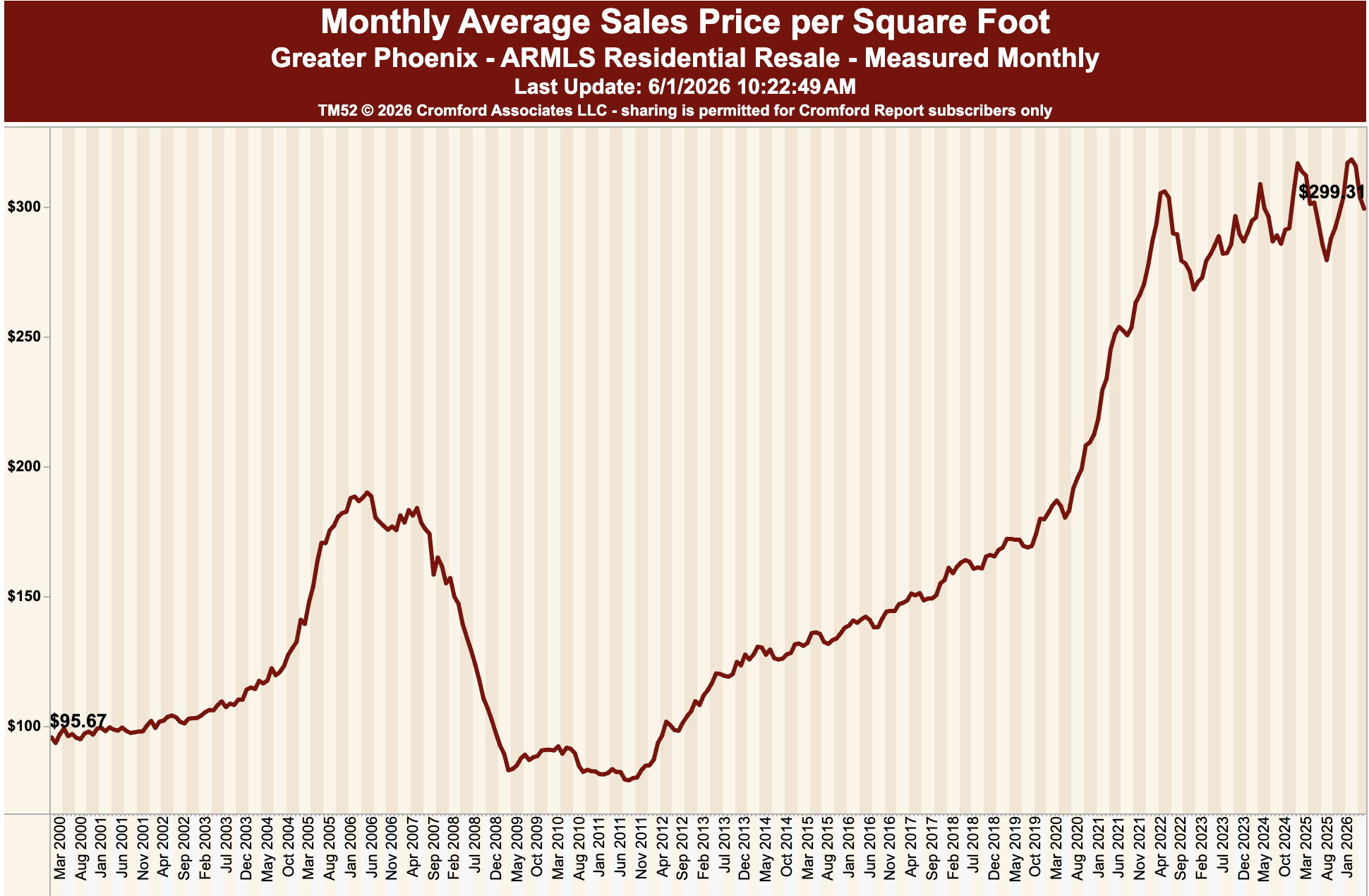
Every few weeks, a client or a friend asks me some version of the same question: when are home prices finally going to come down? It came up again just this past weekend. And I get why people expect it — the last time prices ran up like this, they turned around and fell off a cliff. So surely we're due for a repeat, right?
I've been doing this for 24 years, and my honest answer is that I don't try to guess the top. I try to understand what's actually holding values up. So here's how I think about it — and the one chart I keep coming back to.
Start with the outliers
Let's set the outlier events aside for a second. We've all gotten used to the once-in-a-lifetime stuff happening more often, but the truth is nobody can predict those events — or which direction they'll push the market when they hit.
Case in point: almost no real estate "expert" saw a global pandemic coming, or that it would lead the government to push roughly six trillion dollars into the system. I raise it because that's exactly what makes this last spike different from the ones before it.
Why this cycle doesn't look like the last one
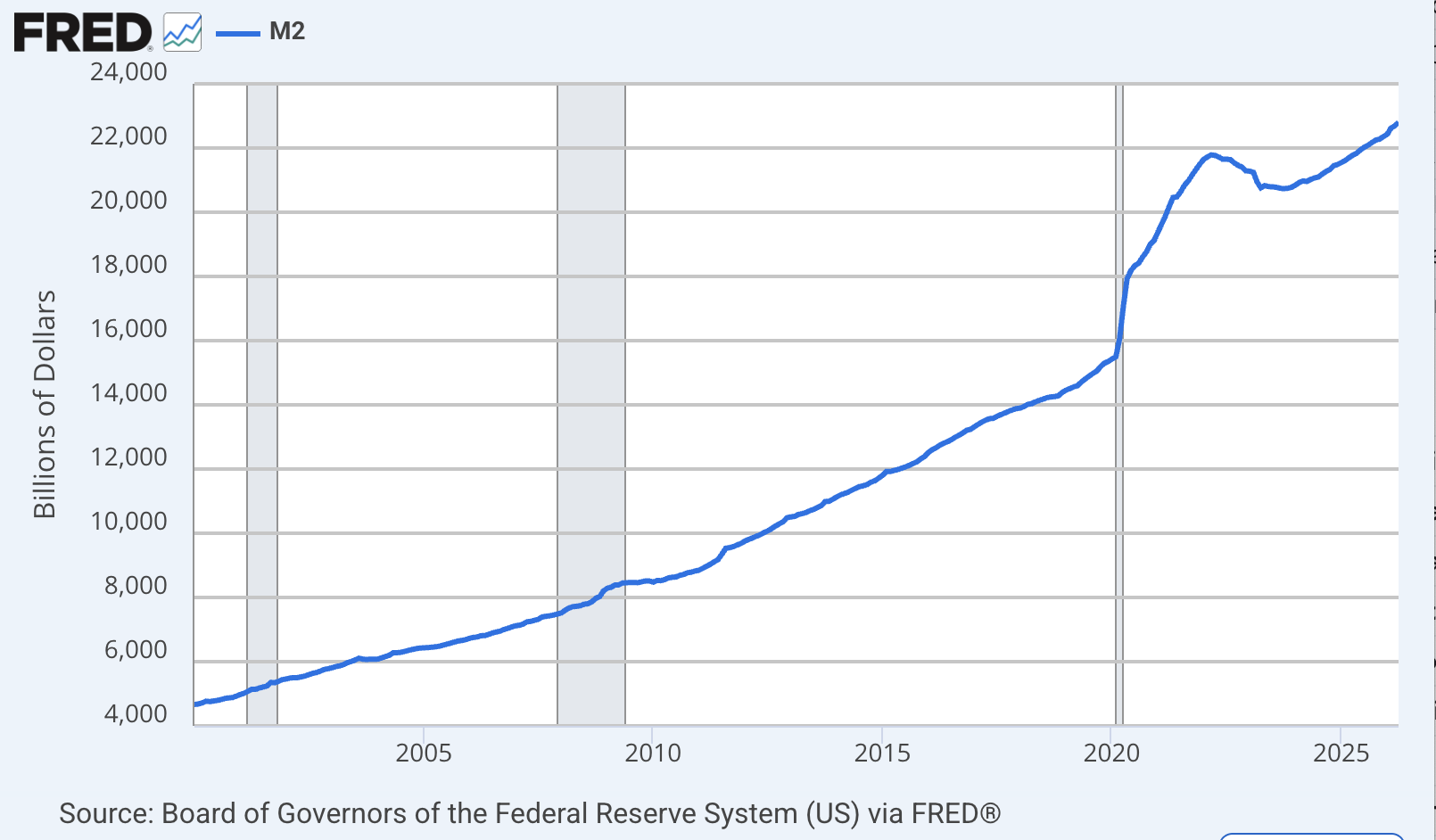
This is where my finance and accounting background tends to take over. I like a clean, credible data source, and the one I find myself studying is the M2 money-supply chart. Lay it over the home-value chart for the same stretch of time, and something jumps out.
During the 2003–2008 run, home values climbed but the money supply barely moved. That run was driven by loosening credit — and it turned out to be unsustainable.
The COVID run-up was a different animal. Demand surged on very low interest rates, but this time the money supply grew right alongside it — almost the same shape on the chart. Both peaked around April 2022. Both eased afterward. And both have trended back upward since. That difference is what makes me wonder whether it's the reason this run-up has held for six-plus years instead of collapsing.
So when do they come down?
What goes up comes down — I believe in that. The hard part is the timing, and timing the market is just about impossible. The reason I bring the money supply into the conversation is this: I suspect home values won't drop in a real way until the money supply itself contracts.
So the question I'd actually be asking is, what would it take to pull that money back out of the system? My guess is that meaningful price declines show up somewhere near whenever that happens.
That's how I read it — but I'm genuinely curious whether you see it the same way.
One more thing — foreclosures are ticking up.
More on that in the next article.


Robert Miele is a North Valley REALTOR® proudly serving Cave Creek, Phoenix, Paradise Valley, Fountain Hills, and surrounding Arizona communities.
All information is deemed reliable but not guaranteed and should be independently reviewed and verified.

Quick Links
Contact
8901 E Pima Center Pkwy,
Suite 125,
Scottsdale, AZ 85258
602-625-8470


